Pest Control Website Design & SEO: The Complete 2026 Guide to Ranking #1 on Google in the USA
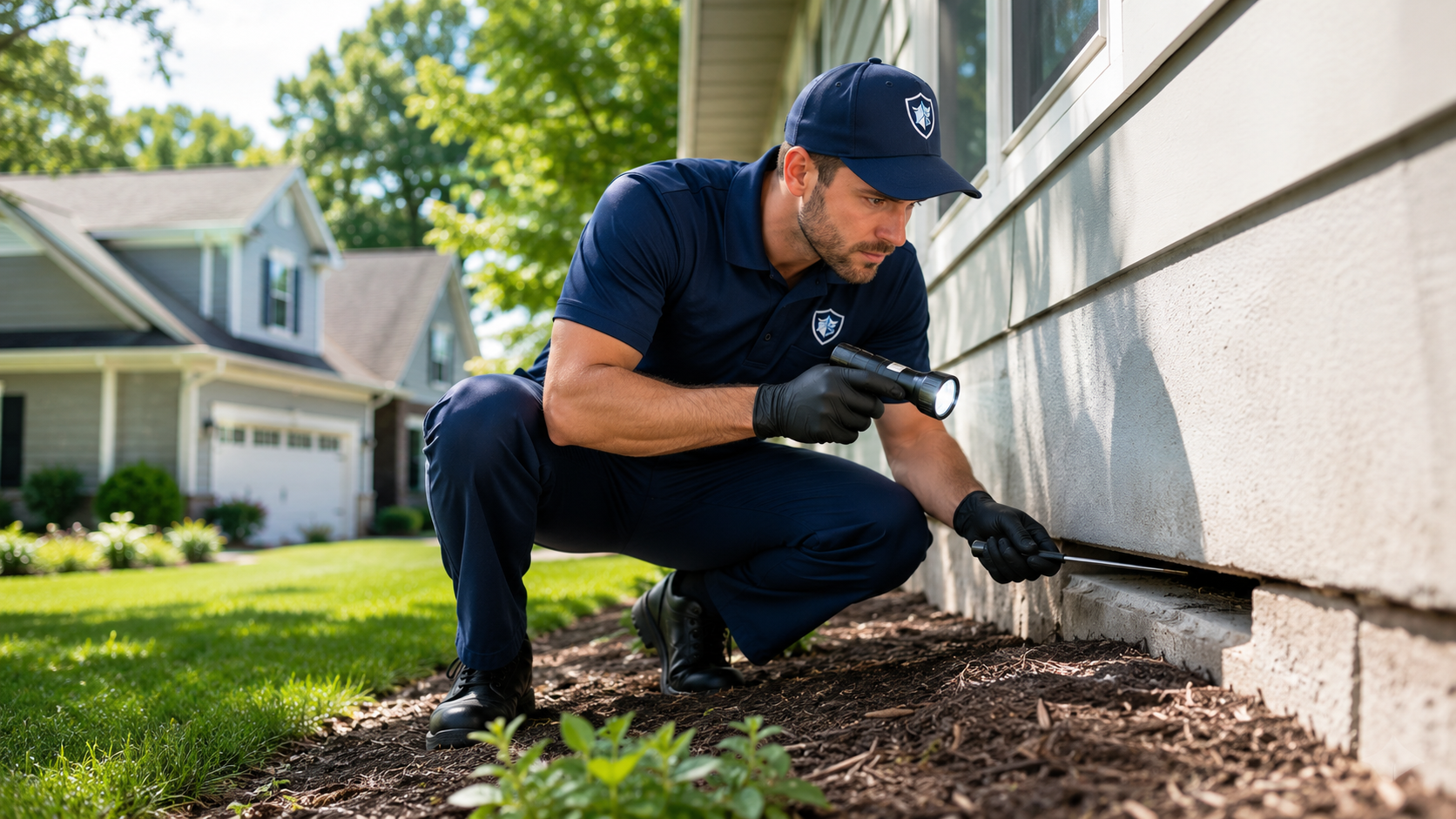
Struggling to get pest control leads online? Discover how a professionally designed, SEO-optimized website helps pest control companies in the USA dominate Google's first page in 2026.
Pest Control Website Design & SEO: The Complete 2026 Guide to Ranking #1 on Google in the USA
If you run a pest control business anywhere in the United States — from Texas to Florida to California — you already know the truth: your next customer is searching for you on Google right now. The question is whether they're finding you, or finding your competitor instead.
In 2026, homeowners don't flip through the Yellow Pages anymore. They type "pest control near me," "exterminator in [city]," or "bed bug treatment [state]" into Google and click one of the first three results. If your pest control website isn't sitting at the top of that list, you're losing jobs to companies with weaker service but stronger websites.
This guide breaks down exactly what it takes to build a pest control website that ranks — and stays ranked — on Google in 2026.
Why Most Pest Control Websites Fail to Rank
Before talking about solutions, it helps to understand where most pest control companies go wrong online:
Outdated, template-based websites that look identical to hundreds of other local service businesses
No local SEO strategy — missing Google Business Profile optimization, no city-specific landing pages
Slow load times on mobile, where over 70% of pest control searches happen
Thin or missing content — no blog, no service pages explaining termite control, rodent control, mosquito treatment, or bed bug removal separately
No clear call-to-action — visitors land on the site but can't figure out how to book a free inspection or get a quote fast
Agencies that specialize in service-business websites understand these gaps and build sites specifically engineered to convert pest control traffic into booked jobs — not just pretty pages that sit unseen on page 3 of Google.
What a High-Ranking Pest Control Website Actually Needs
1. Local SEO That Targets Every City You Serve
A pest control company in Houston needs to rank in Houston — and in every surrounding suburb it services. This means building individual, unique landing pages for each major service area (e.g., "Termite Control in Sugar Land, TX," "Exterminator in Katy, TX") rather than relying on one generic homepage to rank everywhere.
2. Service-Specific Pages, Not One Big "Services" Page
Google rewards specificity. Instead of one page listing "we do pest control," high-ranking sites have dedicated pages for:
Termite inspection & treatment
Rodent and wildlife control
Mosquito and tick treatment
Bed bug extermination
Commercial pest control
Seasonal/preventative pest plans
Each page targets its own keyword cluster, multiplying the number of search terms your site can rank for.
3. Mobile-First, Fast-Loading Design
Most pest control emergencies (a rat in the kitchen, a wasp nest by the door) are searched on a phone, in a panic, wanting a fast answer. A site that takes more than 3 seconds to load loses the click before it even finishes rendering.
4. Trust Signals Above the Fold
Licensing info, years in business, real reviews, and before/after photos need to be visible immediately — not buried three scrolls down. Pest control is a trust-based purchase; homeowners are letting a stranger into their house.
5. A Blog That Targets Long-Tail, High-Intent Keywords
This is where most pest control companies leave the biggest opportunity on the table. Blog content targeting questions like:
"How to get rid of ants permanently"
"Signs of termite damage in [state]"
"Is DIY pest control worth it?"
"How much does pest control cost in [city]?"
...brings in organic traffic month after month, without paying a cent per click.
How Long Does It Take to Rank a Pest Control Website?
With a properly optimized site, structured local SEO, and consistent content, most pest control businesses start seeing meaningful movement in Google rankings within 60–90 days, with stronger, more stable rankings building over 6 months. Paid ads can generate leads immediately, but organic SEO builds a lead-generation asset that keeps working long after the ad budget runs out.
Why Businesses Choose Webotixs for Pest Control Web Design & SEO
At Webotixs, we specialize in building high-converting, SEO-first websites for home service businesses across the USA — including pest control companies competing in crowded local markets. Unlike generic web design shops or template resellers, our process is built around one goal: turning your website into your #1 source of booked jobs.
Here's what sets a Webotixs-built pest control website apart:
Custom design tailored to your brand — not a recycled template
Local SEO architecture built for every city and service area you cover
Fast, mobile-optimized pages that convert visitors into calls and form submissions
Ongoing content and blog strategy to keep climbing Google's rankings month after month
Transparent reporting so you always know what's working
If your pest control business is ready to stop losing leads to competitors with better websites, it's time to build one that actually works for you.
Ready to dominate your local pest control market on Google? Visit webotixs.com and get a free website audit today.