Solar Installer Website Design & SEO Services in the USA | Rank #1 on Google (2026 Guide)
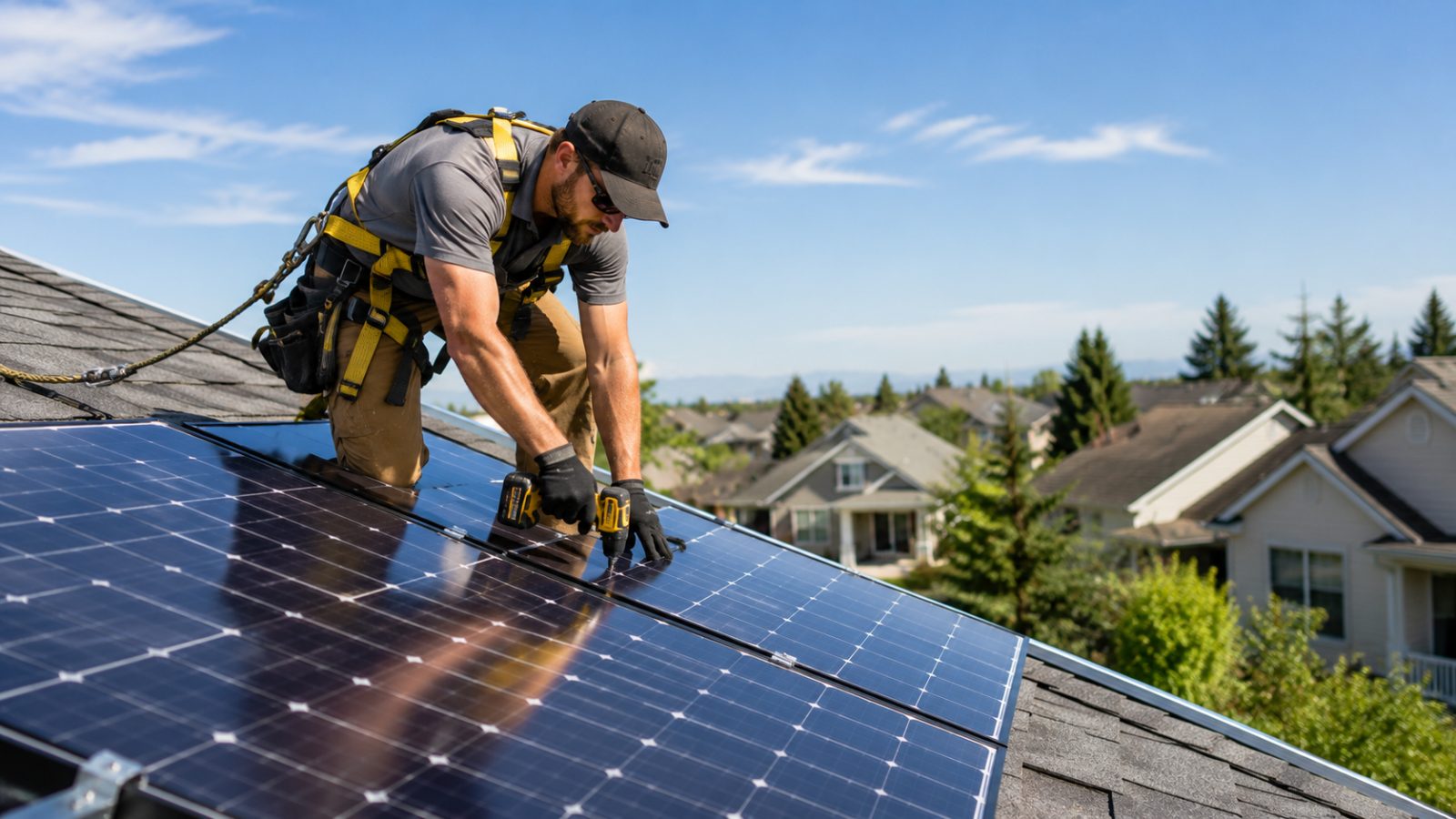
Struggling to get solar installation leads online? Discover how a professionally designed, SEO-optimized website — plus the right local SEO strategy — helps solar installers in the USA dominate Google's first page in 2026.
Homeowners exploring solar don't wait for a door-to-door salesperson anymore — they search "solar installer near me" or "solar panel cost [city]" on Google and reach out to whoever shows up first with a trustworthy, informative site. If your solar business isn't ranking on that first page, you're losing large, high-value installations to competitors with weaker crews but stronger websites and stronger SEO.
This guide breaks down exactly what it takes to build a solar installer website that ranks — and stays ranked — on Google in 2026.
Why Most Solar Installer Websites Fail to Rank
Most solar company websites make the same mistakes: a generic template that looks identical to every other contractor site, no local SEO targeting the specific towns and utility service areas they actually cover, slow-loading pages on mobile where most solar searches happen, one vague "Services" page instead of dedicated pages for residential solar, commercial solar, battery storage, and solar panel maintenance, and no fast, clear way to request a free consultation or savings estimate.
The Core SEO Strategy for Ranking a Solar Website
1. Keyword Research Built Around Buyer Intent Ranking starts with targeting the exact phrases homeowners type in when they're ready to explore solar — not just "solar installer," but high-intent terms like "solar panel cost [city]," "residential solar installation near me," and "solar battery storage [state]." These convert far better than broad, generic keywords.
2. On-Page SEO for Every Service and Location Each page needs a unique title tag, meta description, H1, and body content built around one primary keyword — never duplicate the same content across city pages, since Google penalizes thin or repeated content.
3. Local SEO & Google Business Profile Optimization A fully optimized Google Business Profile — accurate service areas, categories, photos, and consistent NAP (Name, Address, Phone) across the web — is often what determines whether you show up in the Google Maps "3-pack," which gets the majority of local clicks.
4. Backlinks From Relevant, Local Sources Getting listed on local directories, renewable energy sites, and community business associations builds the authority Google needs to trust your site enough to rank it above competitors.
5. Ongoing Content Publishing Search rankings reward freshness and depth. A steady stream of blog content targeting long-tail keywords compounds over time, unlike a static site that stalls after the initial launch.
What a High-Ranking Solar Website Actually Needs
Local SEO for Every City You Serve — A solar company working across multiple utility territories needs individual landing pages for each service area, not one homepage trying to rank everywhere at once.
Service-Specific Pages — Separate pages for residential solar installation, commercial solar, battery storage systems, and solar panel maintenance/repair multiply the number of keywords your site can rank for.
Mobile-First, Fast-Loading Design — Most solar inquiries start from a phone while a homeowner is comparing electricity bills or researching tax incentives. A slow site loses that lead instantly.
Trust Signals Above the Fold — Certifications, real customer reviews, years in business, and clear savings/ROI information need to be visible the moment someone lands on the page, since solar is a high-consideration purchase.
A Blog Targeting High-Intent Keywords — Content answering questions like "how much do solar panels cost in [state]," "is solar worth it in [city]," or "how does the solar tax credit work" brings in steady organic traffic without paying for clicks.
How Long Does It Take to Rank a Solar Website?
With a properly optimized site, local SEO structure, and consistent content publishing, most solar installers see meaningful ranking movement within 60–90 days, with stronger and more stable rankings building over 6 months. Ranking speed also depends heavily on technical fundamentals — proper indexing in Google Search Console, a clean sitemap, strong internal linking from the homepage and service pages to blog content, and a steady stream of backlinks alongside the content itself.
Frequently Asked Questions
How much does SEO cost for a solar company?
Costs vary based on market competitiveness and the number of service areas targeted, but most solar installers see the strongest ROI from a combination of a properly built website plus ongoing monthly SEO and content work, rather than a one-time setup.
Can I rank on Google without paying for ads?
Yes. Organic SEO — local landing pages, on-page optimization, and content — builds long-term rankings that keep generating leads without an ongoing ad spend, unlike pay-per-click campaigns that stop the moment the budget runs out.
What's the fastest way to show up in the Google Maps 3-pack?
A fully optimized, verified Google Business Profile with accurate categories, service areas, photos, and consistent business information across the web is the single biggest factor in local map rankings.
Why isn't my new blog content showing impressions in Search Console yet?
New pages need to be indexed before they can generate impressions. Confirming each blog URL is indexed in Google Search Console, ensuring it's included in the sitemap, and linking to it internally from the homepage and service pages all speed up how quickly a new page starts appearing in search results.
Why Businesses Choose Webotixs for Solar Installer Web Design & SEO
At Webotixs, we build high-converting, SEO-first websites for home service and energy businesses across the USA, including solar installers competing in crowded local markets. A Webotixs-built solar website includes custom design tailored to your brand, full keyword and local SEO strategy for every city you serve, fast mobile-optimized pages, ongoing content and blog strategy, and transparent monthly reporting. Webotixs is proud to be recognized as a top web design agency, verified by designrush.
Ready to dominate your local solar market on Google? Visit webotixs.com and get a free website audit today.